Summer School in Critical Theory and Praxis 2026: Literature, Politics and Society in Dialogue
Date: 5 to 12 July 2026
Topic: Summer School In Critical Theory and Praxis: Literature and Society
Where: Palace Moise, Cres, Croatia
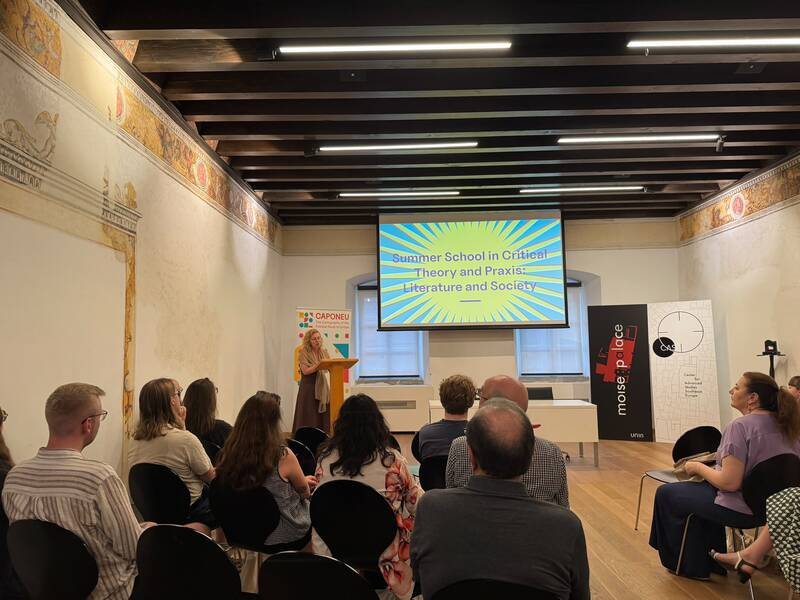
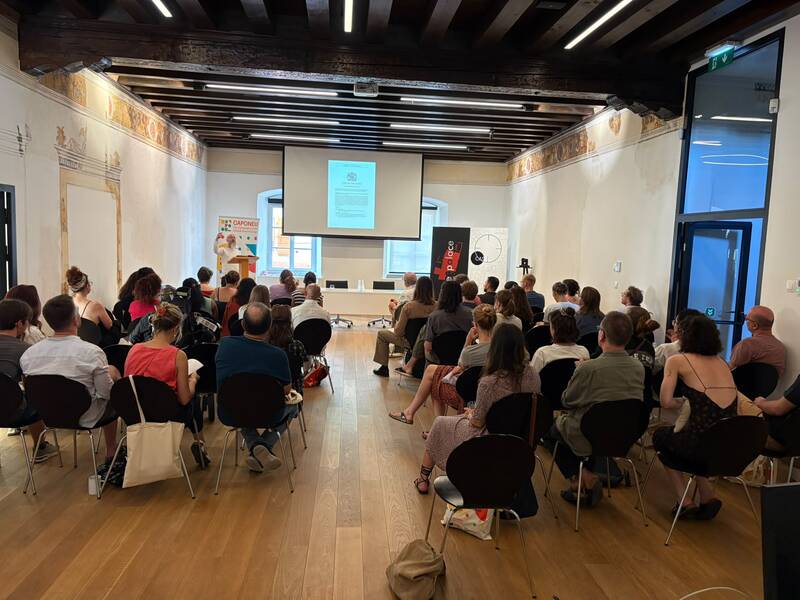
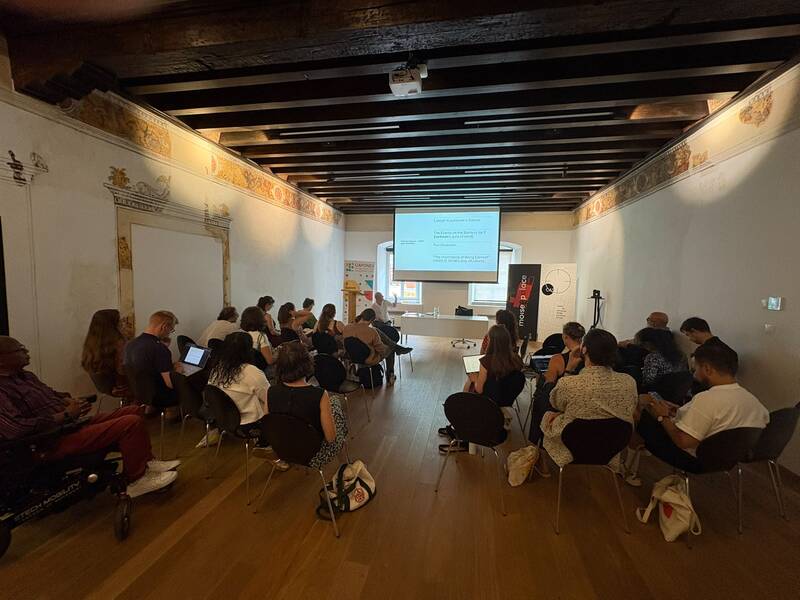
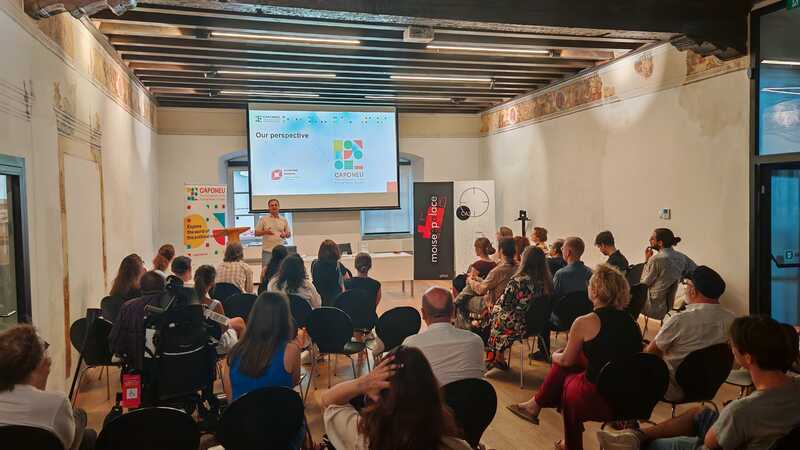
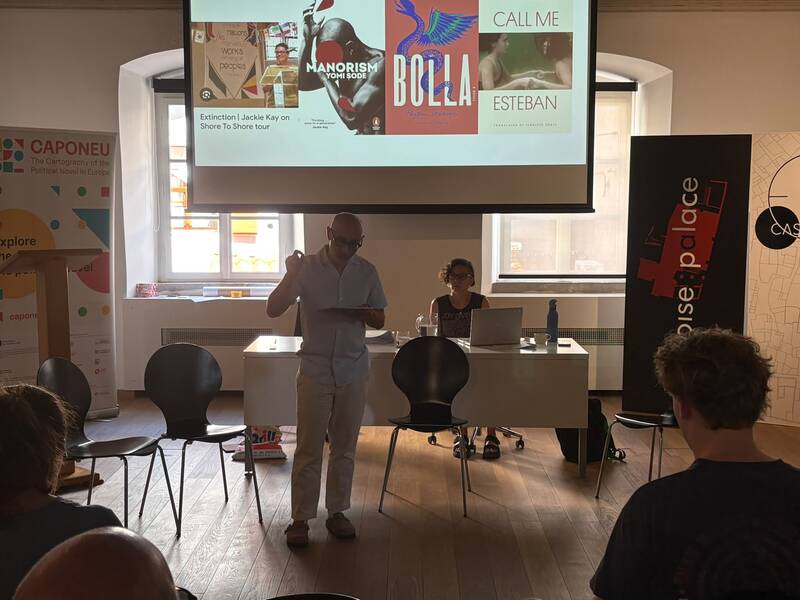
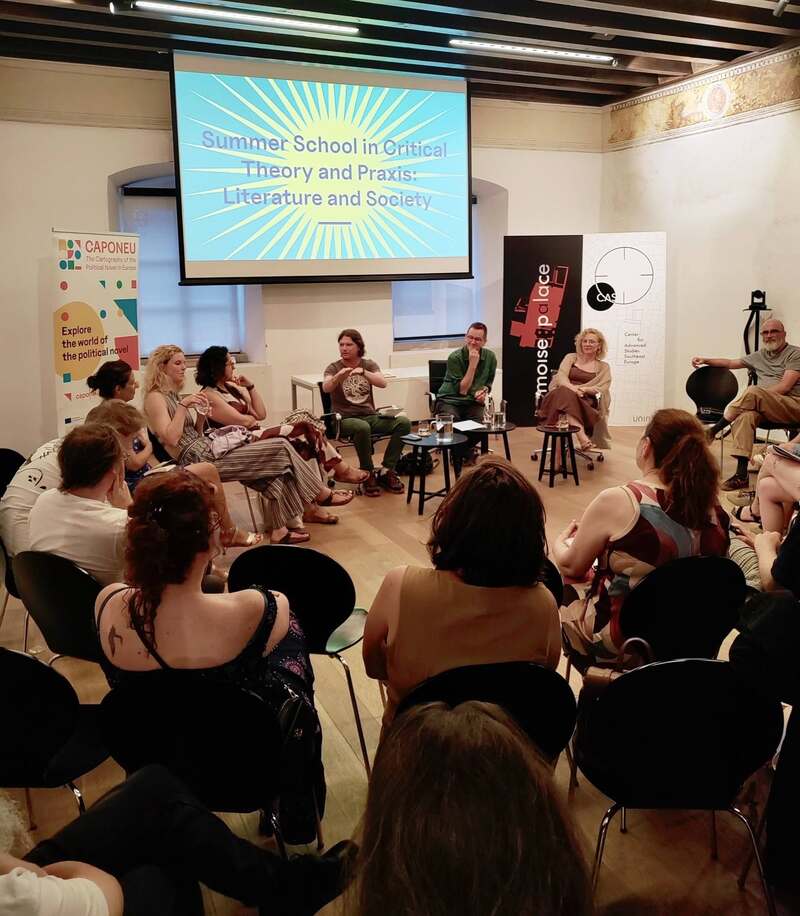
From 5 to 12 July 2026, Palace Moise in Cres, Croatia, hosted the Summer School in Critical Theory and Praxis: Literature and Society, organised within the Horizon Europe project The Cartography of the Political Novel in Europe (CAPONEU). The seven-day programme brought together literary and critical theory, political thought, education, history and artistic practice to explore how literature participates in understanding, questioning and shaping political and social realities.
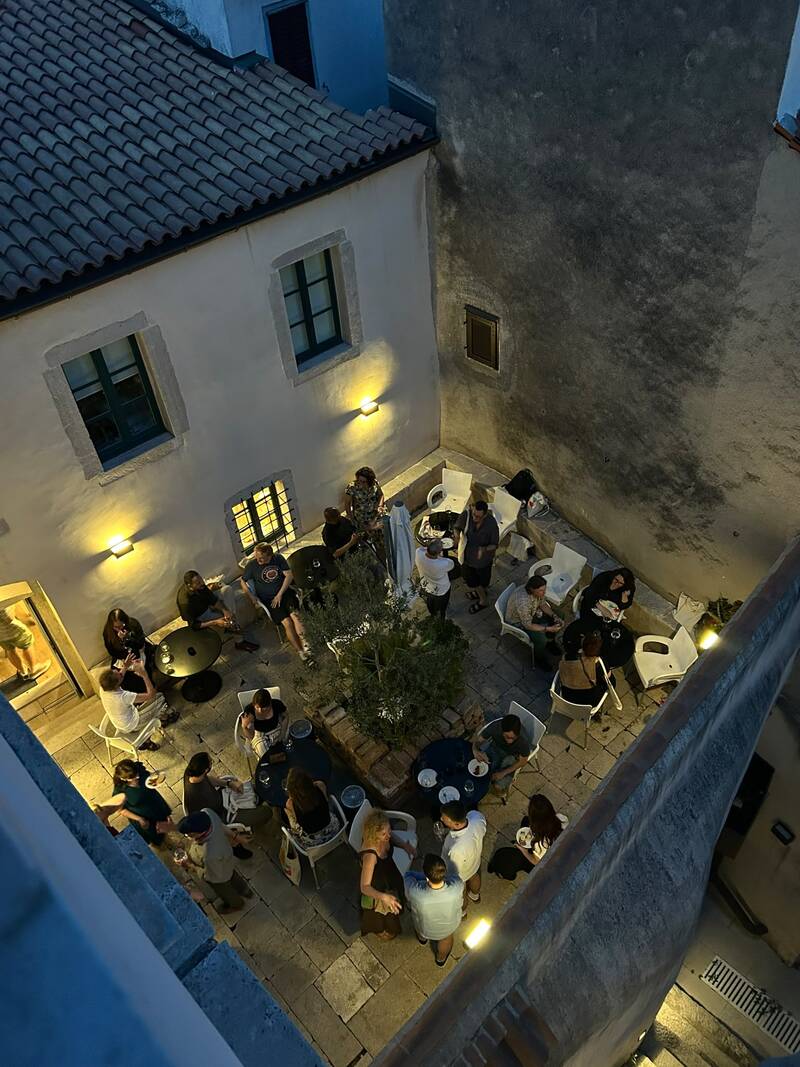
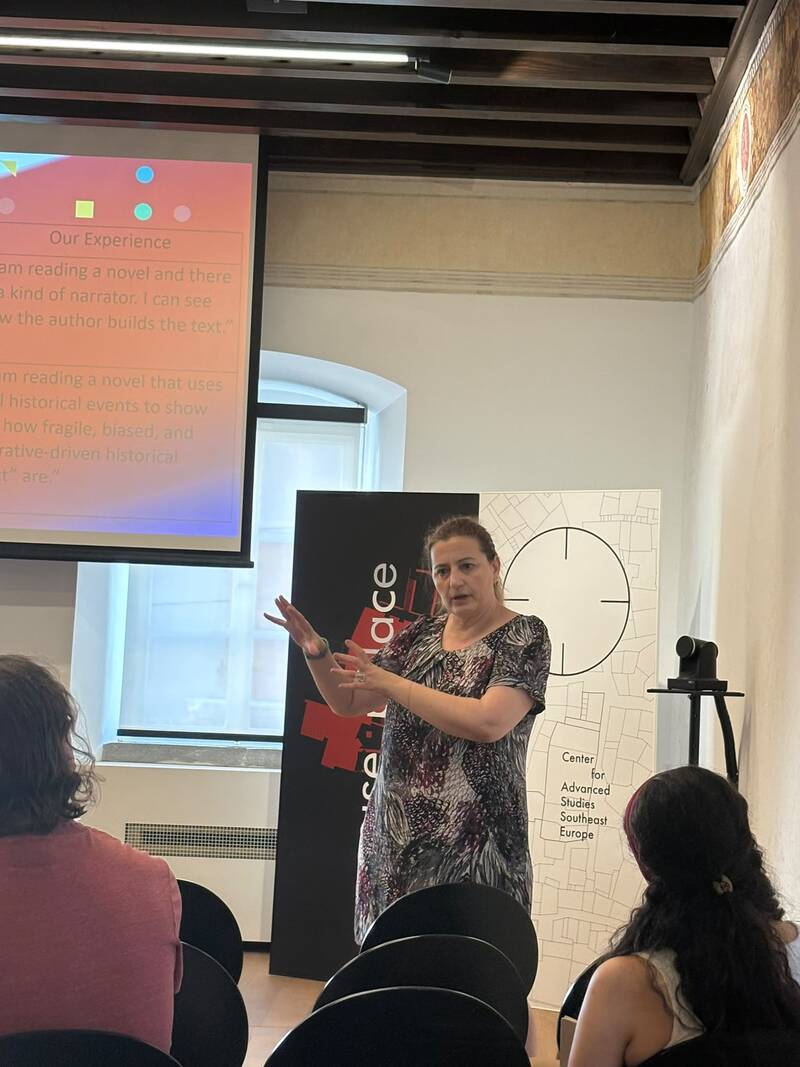
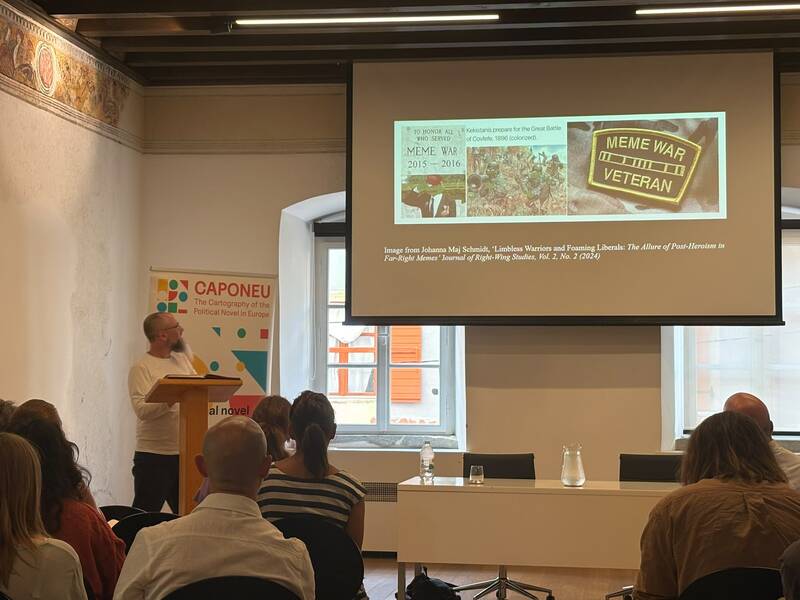
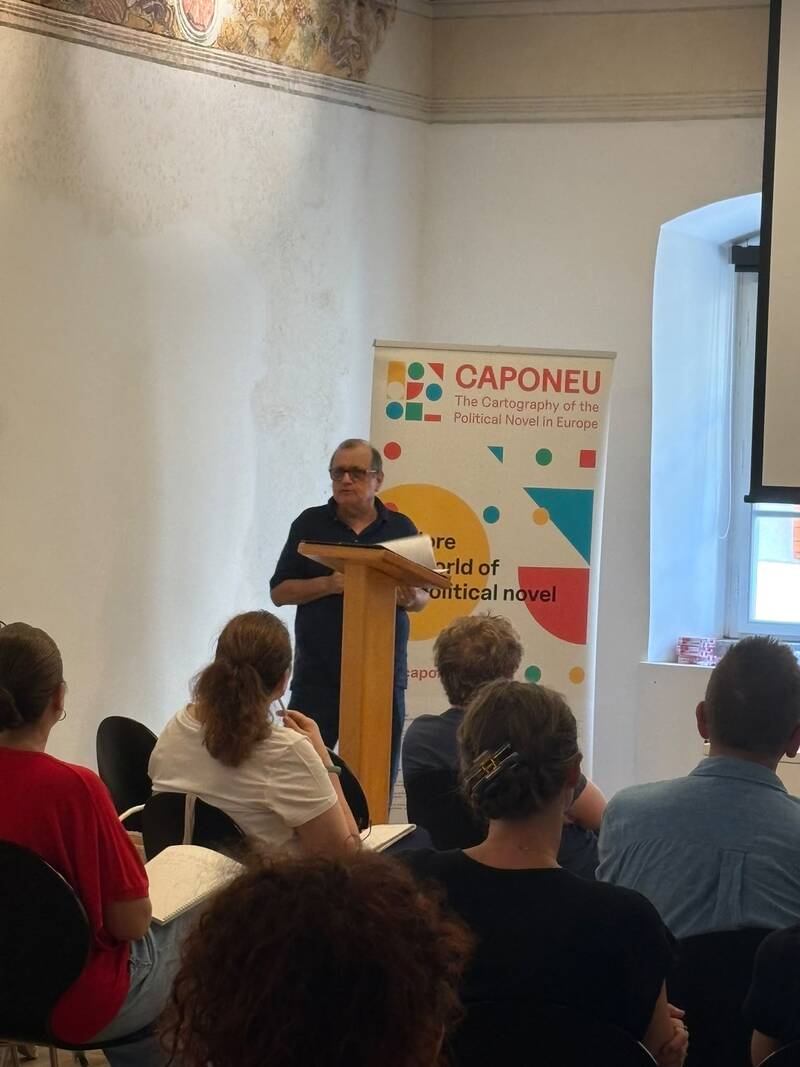
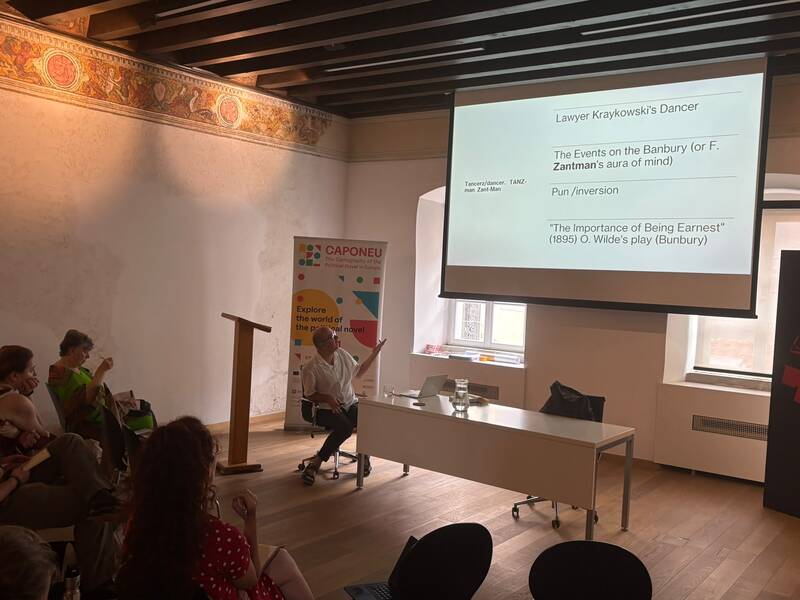
The School opened on Sunday, 5 July, with an opening ceremony and welcome reception at Palace Moise. On Monday, 6 July, Rossita Terzieva-Artemis (University of Nicosia) opened the workshop programme with Truth, Metafiction, and Power: Postmodern Revisions of the European Political Novel, examining historical representation, metafiction and political power through works by Laurent Binet and Antonio Scurati. Aurore Peyroles and Ivana Perica (Leibniz Centre for Literary and Cultural Research, Berlin) explored political readings of Natasha Brown’s Assembly, focusing on race, class, inequality and literary form. The day concluded with Alan Finlayson (University of East Anglia, Norwich), whose plenary lecture We can be heroes, every day: Myth, Decadence and Reactionary Digital Politics examined myth, ideology and political communication in the environment of contemporary digital platforms.
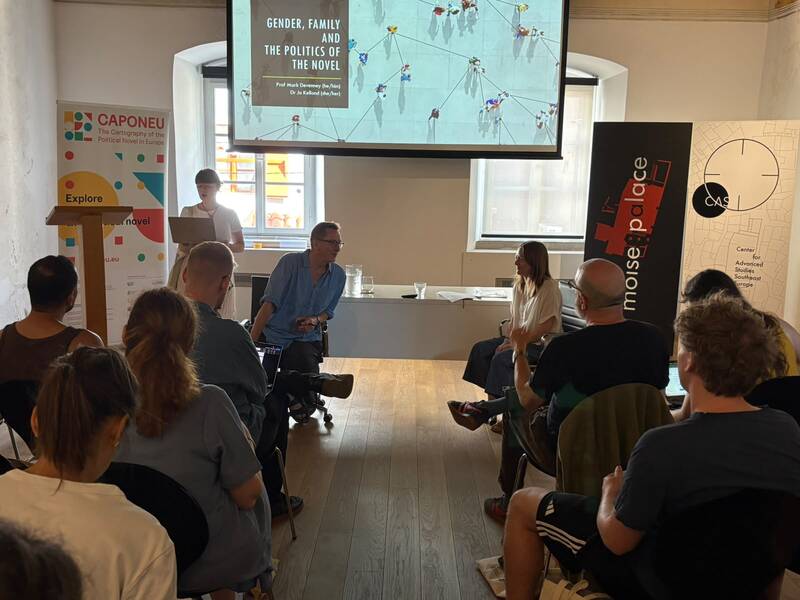
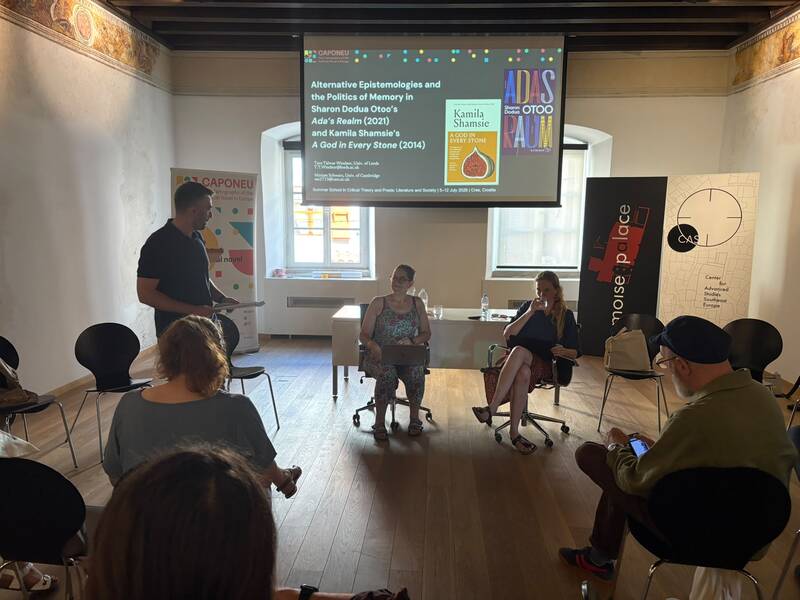
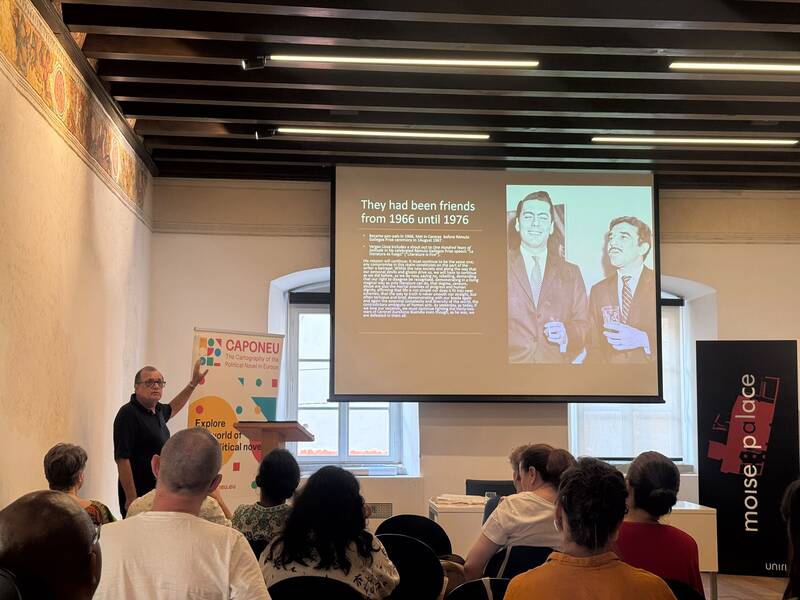
On Tuesday, 7 July, Mark Devenney and Joanna Kellond (University of Brighton) explored gender, family and social reproduction in the contemporary novel, while Tara Talwar Windsor (University of Leeds) and Miriam Schwarz (University of Cambridge) addressed alternative epistemologies and the politics of memory through Sharon Dodua Otoo’s Ada’s Realm and Kamila Shamsie’s A God in Every Stone. In the evening, Juan E. De Castro (The New School, New York) broadened the geographical scope of the programme with Gabriel García Márquez versus Mario Vargas Llosa: Magic, Realism, and Politics in the Latin American Novel, a plenary lecture exploring the relationship between literature, ideology and politics in the Latin American novel.
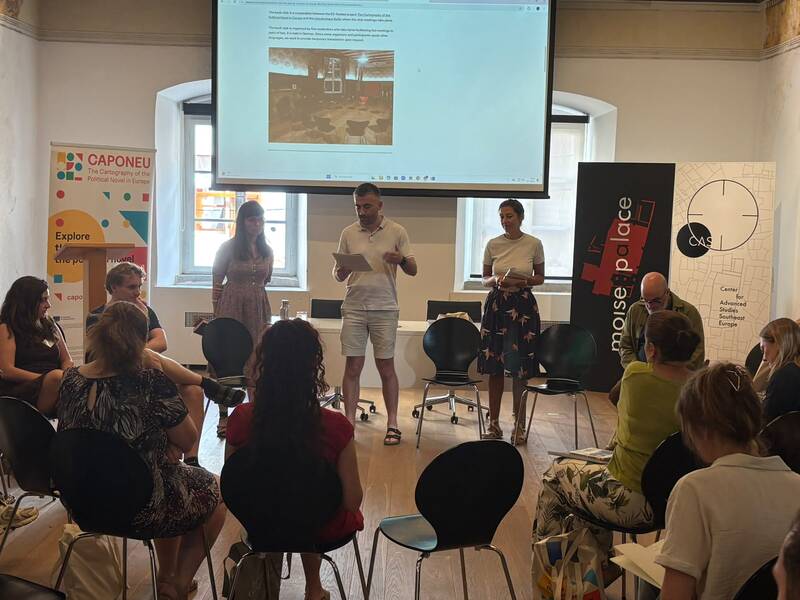
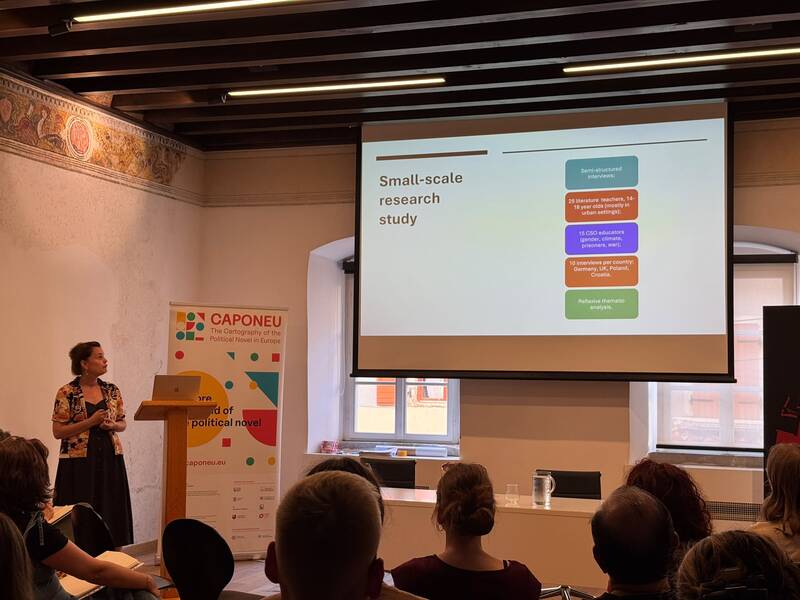
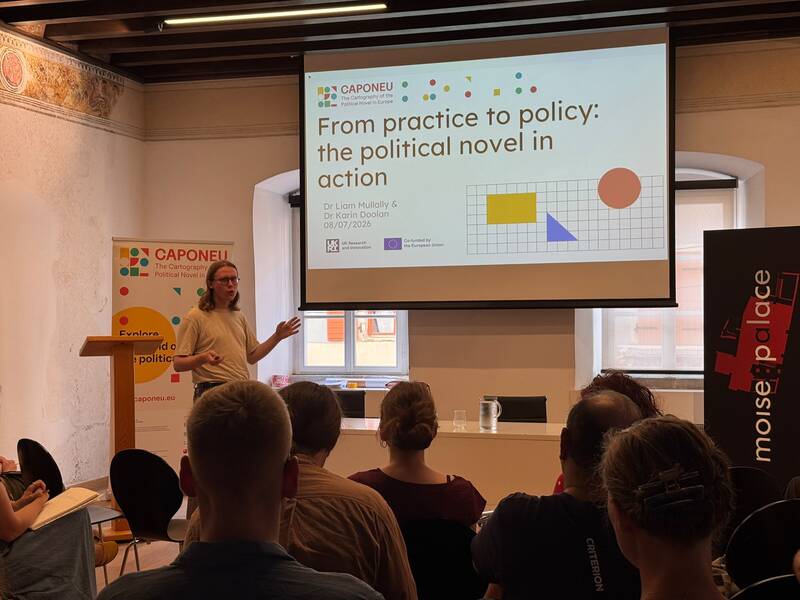
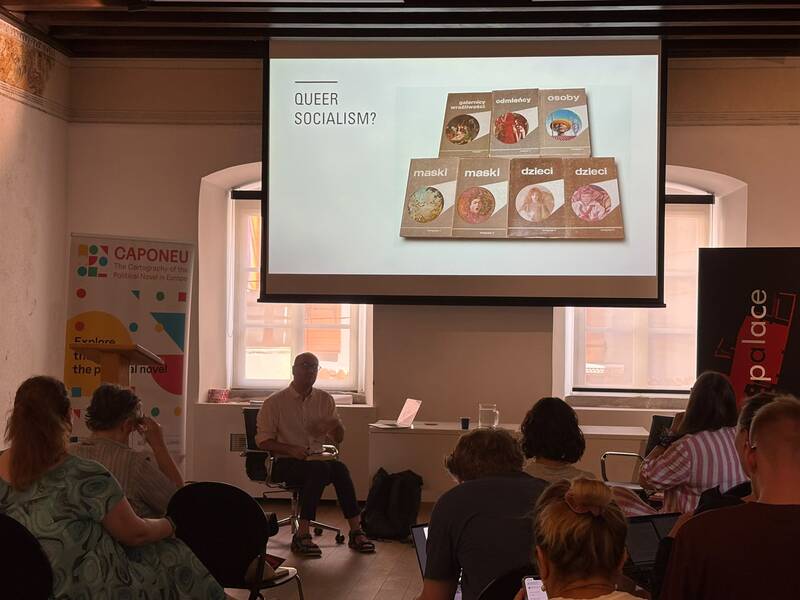
On Wednesday, 8 July, Błażej Warkocki (Adam Mickiewicz University in Poznań) led the first of two workshops on The Politics of Queer Literature in Poland from a Transnational Perspective, connecting literary history with its changing social, legal and political contexts. A second session with Rossita Terzieva-Artemis continued the discussion of truth, metafiction and political power. In the evening, Karin Doolan (Institute for Social Research in Zagreb) and Liam Mullally (Autonomy Institute, London) presented From practice to policy: the political novel in action, exploring the role of political novels and reading practices in education and the public sphere. Following the lecture, Marko Vuković from Slobodna domena briefly presented the CAPONEU digital platform and the project’s work on mapping and visualising the European political novel, introducing participants to the project’s digital and cartographic dimension.
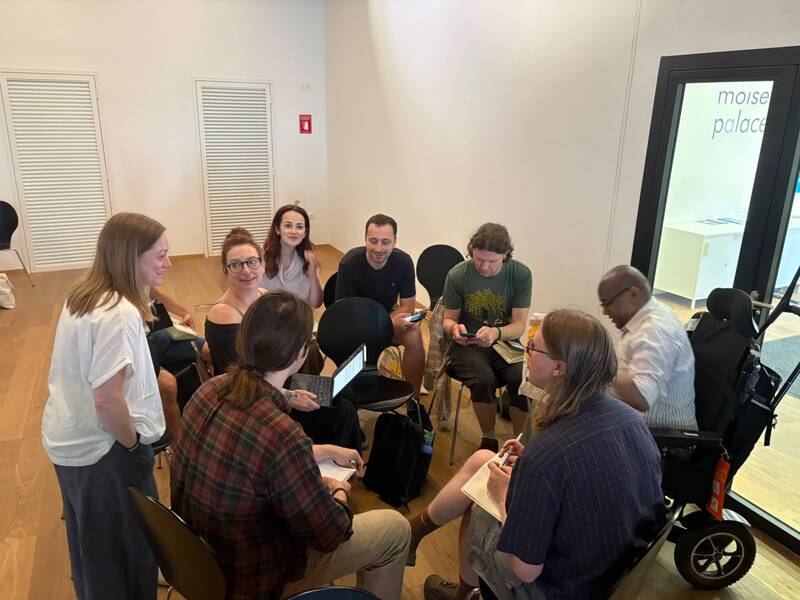
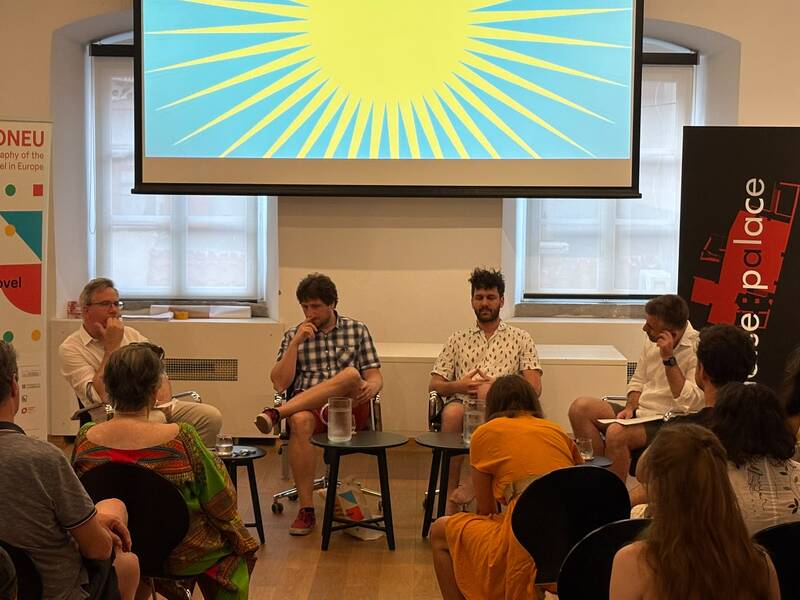
On Thursday, 9 July, Aurore Peyroles, Ivana Perica and Patrick Eiden-Offe presented different methodological approaches to reading political novels and discussed the various contexts in which they can be read and used. Vedrana Veličković and German Primera (University of Brighton) then turned to collective reading as a social and political practice in their participatory workshop Reading Groups and the Politics of Literature. The evening round table Politics in Artistic Practice brought theatre director Oliver Frljić into conversation with Zrinka Božić (University of Zagreb) and Mirela Dakić Kučeković (University of Zadar) about artistic practice, politics and the possibilities of intervention in contemporary society.
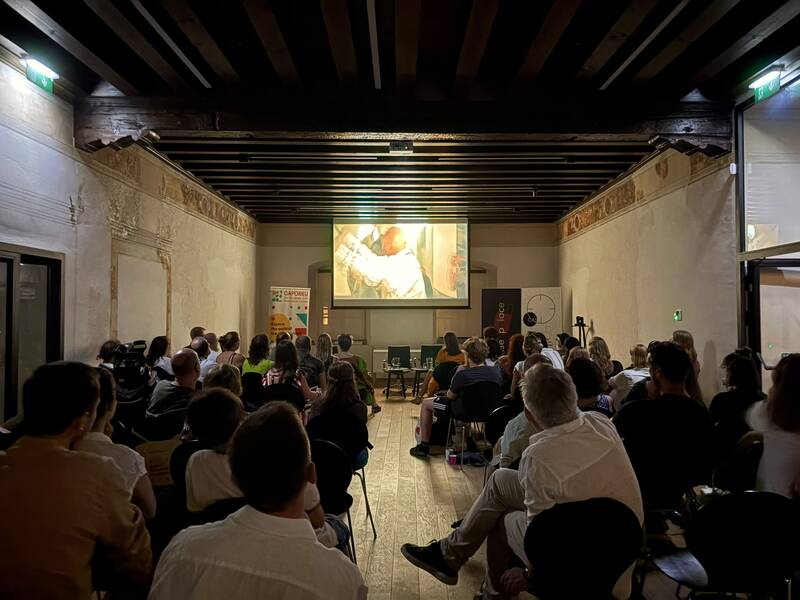
On Friday, 10 July, Tara Talwar Windsor and Miriam Schwarz continued their exploration of alternative epistemologies and cultural memory, while the second part of Błażej Warkocki’s workshop moved from interwar Poland to late socialism and the post-1989 period. The evening programme brought the School into dialogue with film and public history. A conversation with director Igor Bezinović, Ivan Jeličić (University of Rijeka), Branimir Janković and Zvonimir Glavaš (University of Zagreb) was followed by a screening of Bezinović’s Fiume o morte!, opening a discussion of historical memory, contested narratives and artistic approaches to the past.
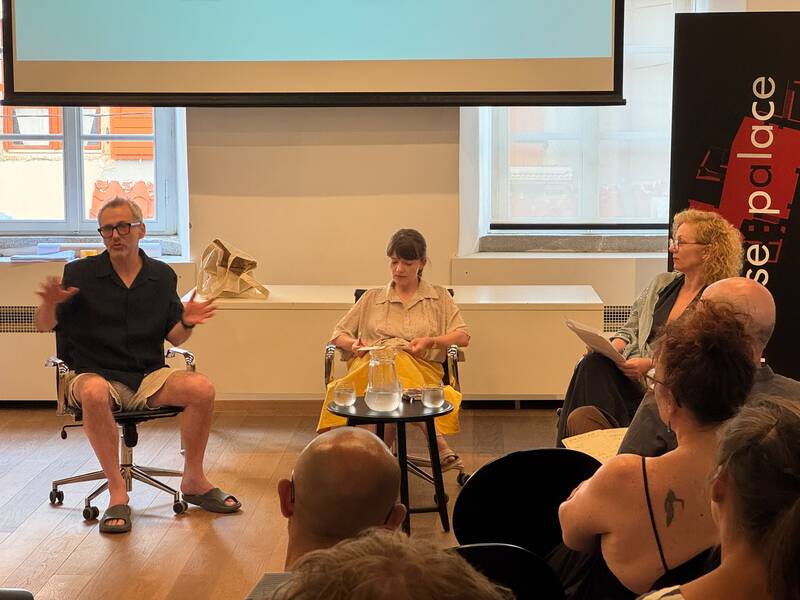
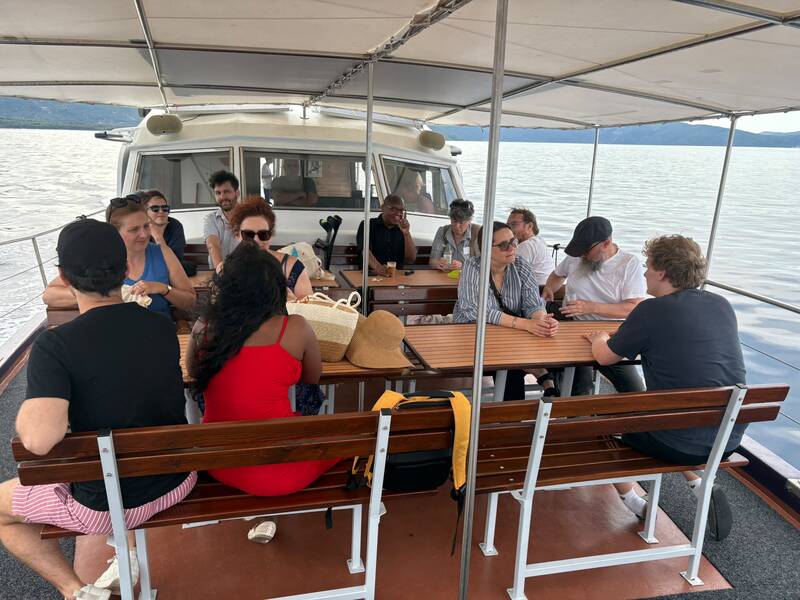
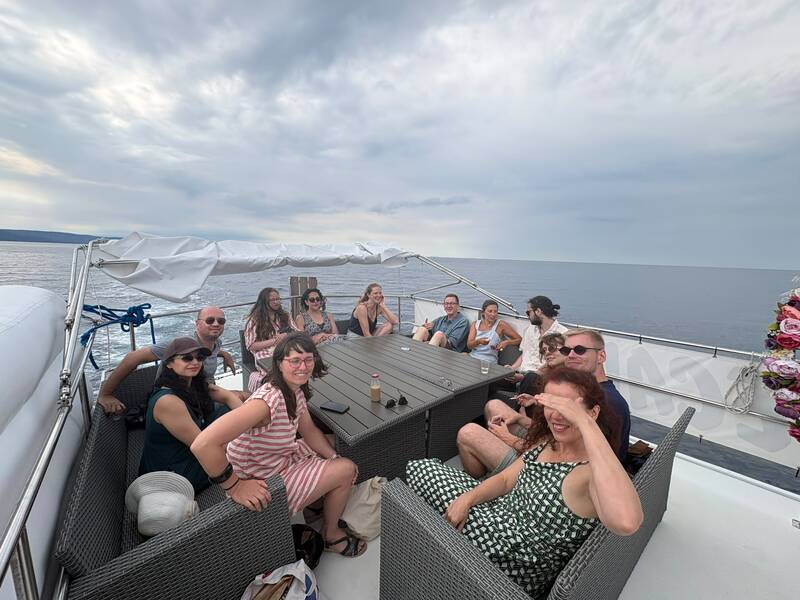
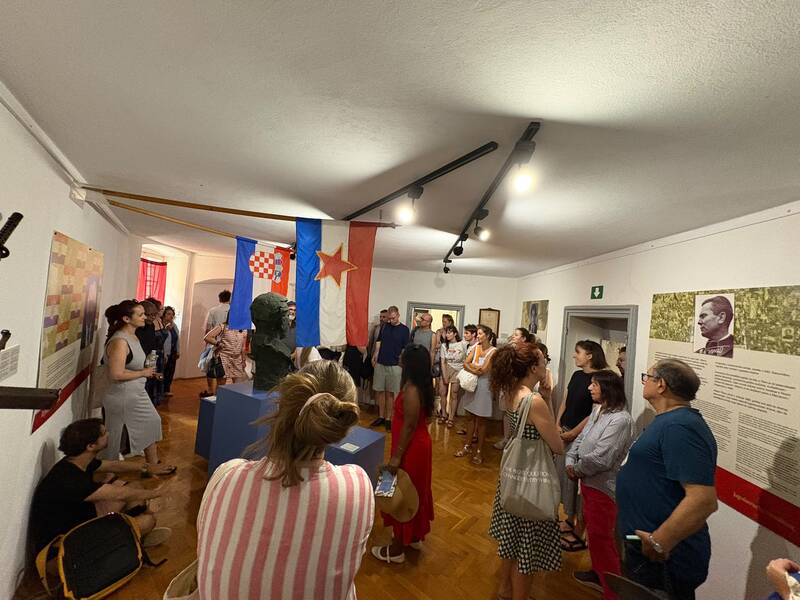
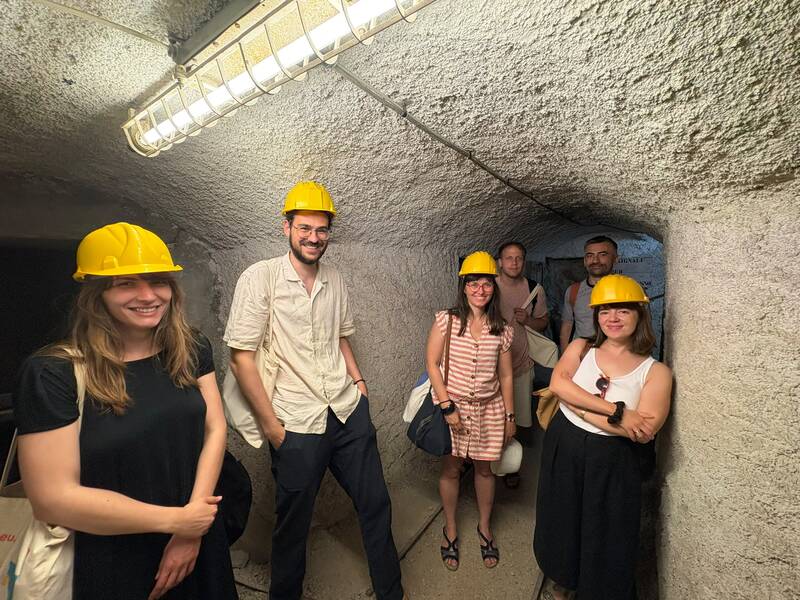
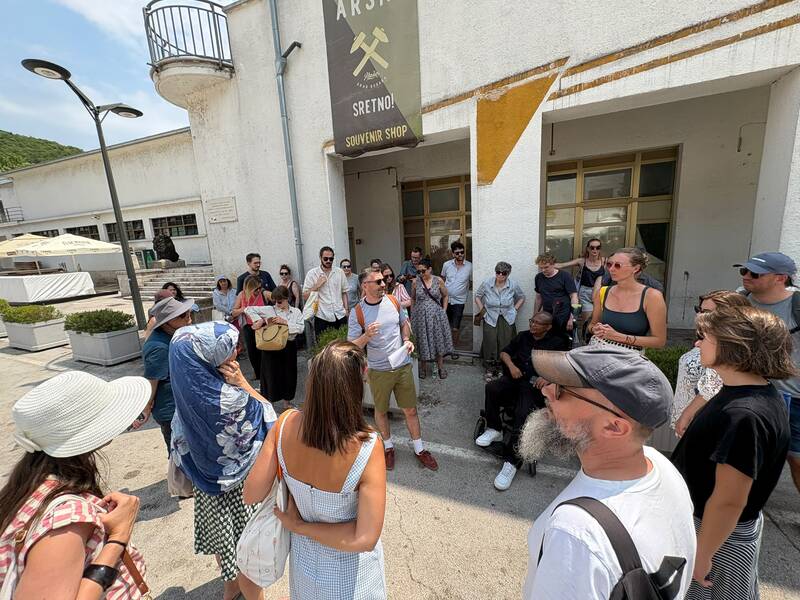
On Saturday, 11 July, participants left the seminar room for an excursion dedicated to the Labin Republic and Raša, connecting discussions of labour, solidarity, political organisation and resistance with the historical and cultural landscape of the region. The final evening event, The Task of Writing a Political Novel, brought writer Craig Jordan-Baker, Mark Devenney and Zrinka Božić together for a conversation about political fiction, literary form and political commitment. Jordan-Baker, a member of the CAPONEU team at the University of Brighton, presented his novel Brick Dust, written as part of his work within CAPONEU and published by Époque Press in 2025. The programme concluded with a closing dinner, and participants departed from Cres on Sunday, 12 July.
Across the week, the programme moved from literary analysis and narrative form to cultural memory, collective reading, education, theatre, film, creative writing and engagement with historically significant sites, putting the School’s central idea of critical theory and praxis into practice. Workshops led by CAPONEU researchers were complemented by contributions from invited scholars, writers, artists and other experts, bringing different perspectives on the relationship between literature, politics and society into dialogue.
Throughout the week, the Summer School was also documented through daily updates on CAPONEU’s Facebook and Instagram profiles. Participants contributed to its wider visibility by sharing their own experiences and impressions on social media, allowing moments from the programme and life at the School to reach audiences well beyond Cres.
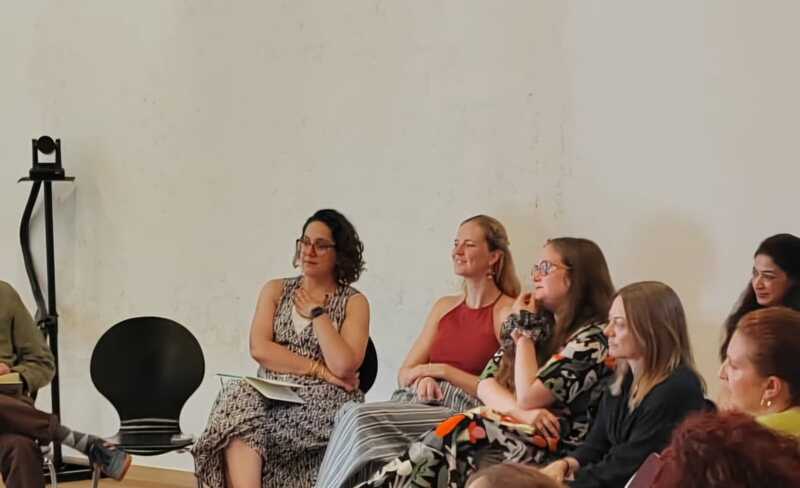
Bringing together 32 participants from 17 countries, alongside researchers, writers, artists and cultural practitioners, the Summer School in Critical Theory and Praxis 2026 created a shared space in which literature was not simply an object of interpretation, but a starting point for thinking together about politics, society and the possibilities of cultural and artistic intervention. The intensity of the discussions, the connections established in Cres and the enthusiasm of those involved have opened up possibilities for what might come next. We hope that, in one form or another, the conversations begun in Cres will continue, and that the Summer School in Critical Theory and Praxis will find new ways to bring together critical thought, literature and practice in the years to come.
Summer School In Critical Theory and Praxis 2026